
Scholarship
Muslim Congress High School hereby informs students, parents, and the general public that the Islamic…
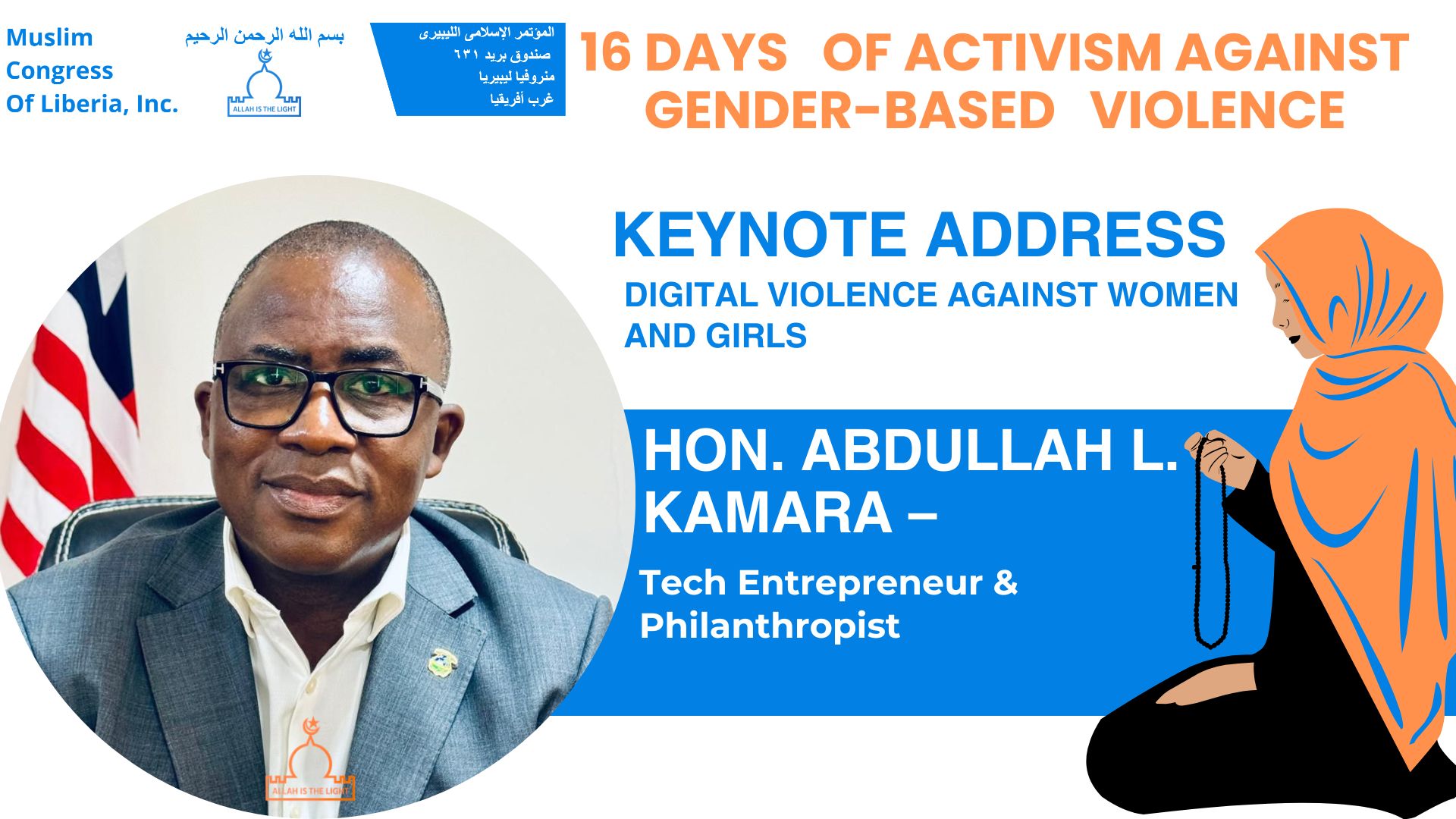
Presenter: Hon. Abdullah L. Kamara – Tech Entrepreneur, Philanthropist & Digital Literacy Advocate
Event: Muslim Congress of Liberia – 16 Days of Activism Against Gender-Based Violence
Theme: Unite to End Digital Violence Against All Women and Girls in Liberia
Date: December 10, 2025
Location: Cape Hotel, Mamba Point, Monrovia
In an era where digital platforms shape how people communicate, learn, work, and socialize, a new and dangerous category of harm has emerged: digital violence. During his keynote address, Hon. Abdullah L. Kamara delivered a powerful and eye-opening presentation on the growing threat of digital violence and its implications for individuals, communities, and national peace. His message explored digital harm from a contemporary, legal, and Islamic ethical perspective—offering insight, solutions, and a call for collective responsibility.
Kamara opened by emphasizing how deeply digital systems have become intertwined with everyday life. This rapid shift has created online spaces where violence can spread quickly, anonymously, and without borders. Digital violence, he explained, travels faster than traditional harm, reaches larger audiences, and leaves permanent footprints.
Kamara defined digital violence as the use of digital tools to harm, intimidate, misinform, or destroy someone’s dignity.
He highlighted common forms such as:
Cyberbullying and harassment
Online threats and intimidation
Character assassination and defamation
Exposure culture (“posting people”)
Digital sexual exploitation
Identity theft and impersonation
Blackmail, extortion, and deepfakes
Manipulated narratives and misinformation
He referenced real Liberian examples—false online rumors about national leaders and fabricated claims targeting communities—demonstrating how easily misinformation destabilizes society.
Kamara explained that several factors are fueling the rise of digital harm:
Widespread smartphone access
High youth engagement online
Anonymity that reduces accountability
Viral content spreading faster than verified information
Low digital literacy and emotional manipulation
He cited two Liberia-specific cases—the Fula woman power-theft incident and the Red-Light Mosque misinformation crisis—both of which escalated into community-level tension because of unverified online narratives.
Digital violence, he stressed, has deep and lasting consequences:
Victims often experience anxiety, depression, shame, and trauma.
A single post can destroy relationships, careers, and credibility.
Misinformation can inflame ethnic or religious divisions and spread distrust.
Viral misinformation can mobilize crowds, spark protests, and undermine public order.
Kamara referenced the Kindness Wilson case, in which online bullying escalated into physical violence, showing how digital exposure amplifies and complicates ordinary conflicts.
Hon. Kamara highlighted the importance of Liberia’s newly passed Cybercrime and Data Protection Law, which recognizes digital offenses such as:
Cyber harassment
Identity theft
Non-consensual image sharing
Defamation
Unauthorized access
Online threats and extortion
He pointed out, however, that laws alone are not enough—enforcement is challenging due to anonymous accounts, cross-border perpetrators, and limited digital forensic capacity.
He noted that many digital extortion cases in Liberia involve foreign SIM cards, encrypted messaging apps, and impersonation scams, making prosecution difficult without international cooperation.
Hon. Kamara outlined key challenges in enforcing cybercrime laws:
Limited investigative capacity among police and prosecutors
Cross-border nature of digital crime
Slow platform compliance from global social media companies
Low public awareness of digital rights and reporting procedures
He emphasized that a cyber law is only as strong as the system that enforces it and called for major investments in digital forensics, institutional cooperation, and public education.
Hon. Kamara delivered one of the presentation’s strongest messages:
The digital behaviors society condemns today were already prohibited in Islam centuries ago.
He linked modern digital harm to classical Islamic teachings, noting that Islam forbids:
Backbiting (ghiba)
Rumor-spreading (namimah)
Spying (tajassus)
Public humiliation
False witness
Creating conflict (fitnah)
He reminded the audience that:
“A Muslim is one from whose tongue and hands people are safe.”
In the digital age, he explained, the tongue becomes the keyboard and the hand becomes the smartphone.
He emphasized that privacy, dignity, and truthfulness are sacred, and violating digital privacy is not only unethical but sinful.
Citing Qur’an 50:18 — “Not a word does he utter except that it is recorded” — Kamara warned that:
Every post
Every comment
Every share
Every recording
…is preserved and carries spiritual consequences.
Online actions, he stated, can become continuous reward or continuous sin, depending on how they impact others.
He also outlined a multi-level response approach:
Implement the Cybercrime Law fully
Strengthen investigative and forensic capacity
Improve rapid reporting systems
Integrate digital safety into national education
Teach digital responsibility at home
Guide youth on respectful online conduct
Promote Islamic digital ethics
Mediate digital conflicts
Support victims and encourage accountability
Verify information before sharing
Protect others’ dignity
Practice restraint and compassion online
He emphasized More that reducing digital violence in Liberia requires a culture where:
Technology is used responsibly
Law is respected
Faith shapes digital character
Communities support truth and dignity
Youth are educated on digital citizenship
He stressed that digital safety is everyone’s responsibility—not only government’s.
He ended with a powerful reflection:
“Technology does not make people harmful; it amplifies who we already are.”
If Liberians anchor their digital behavior in Islamic ethics, legal responsibility, and humanity, digital spaces will reflect the best of the nation: justice, dignity, compassion, and truth.
Muslim Congress High School hereby informs students, parents, and the general public that the Islamic…
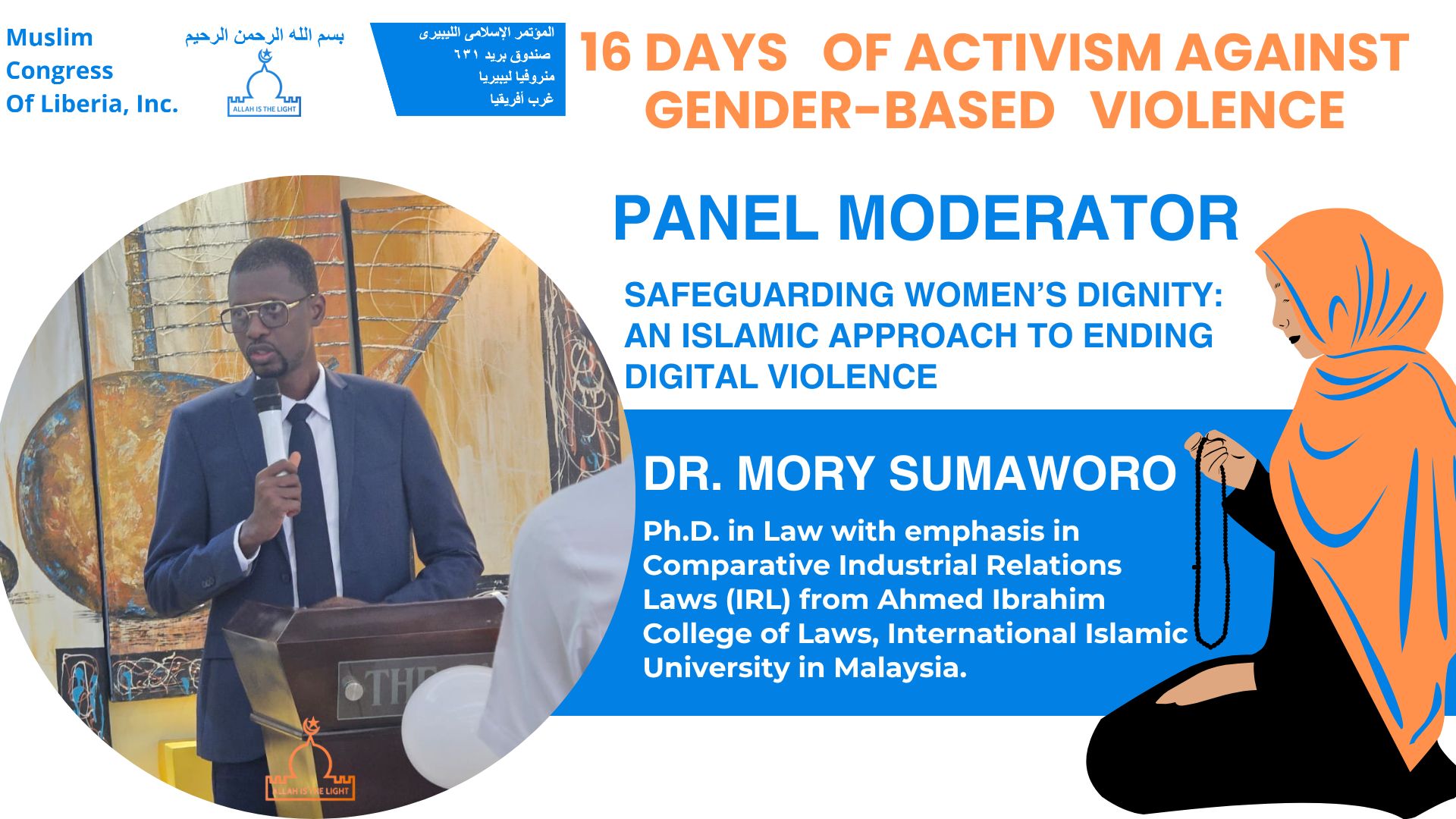
As part of the Muslim Congress of Liberia’s commemoration of the 16 Days of Activism…
Presenter: Hon. Abdullah L. Kamara – Tech Entrepreneur, Philanthropist & Digital Literacy AdvocateEvent: Muslim Congress…
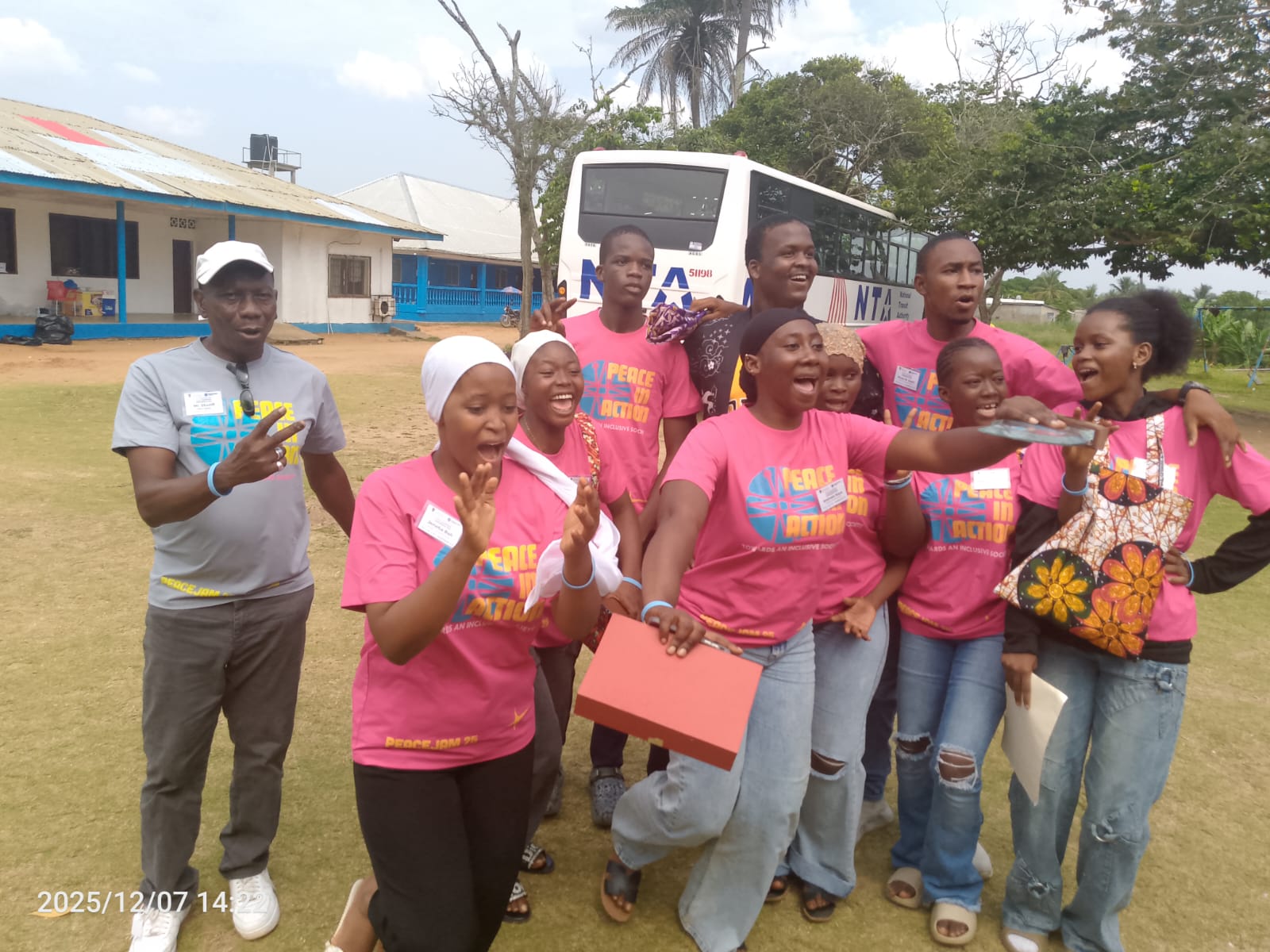
Muslim Congress High School is proud to announce that our students have been honored with…
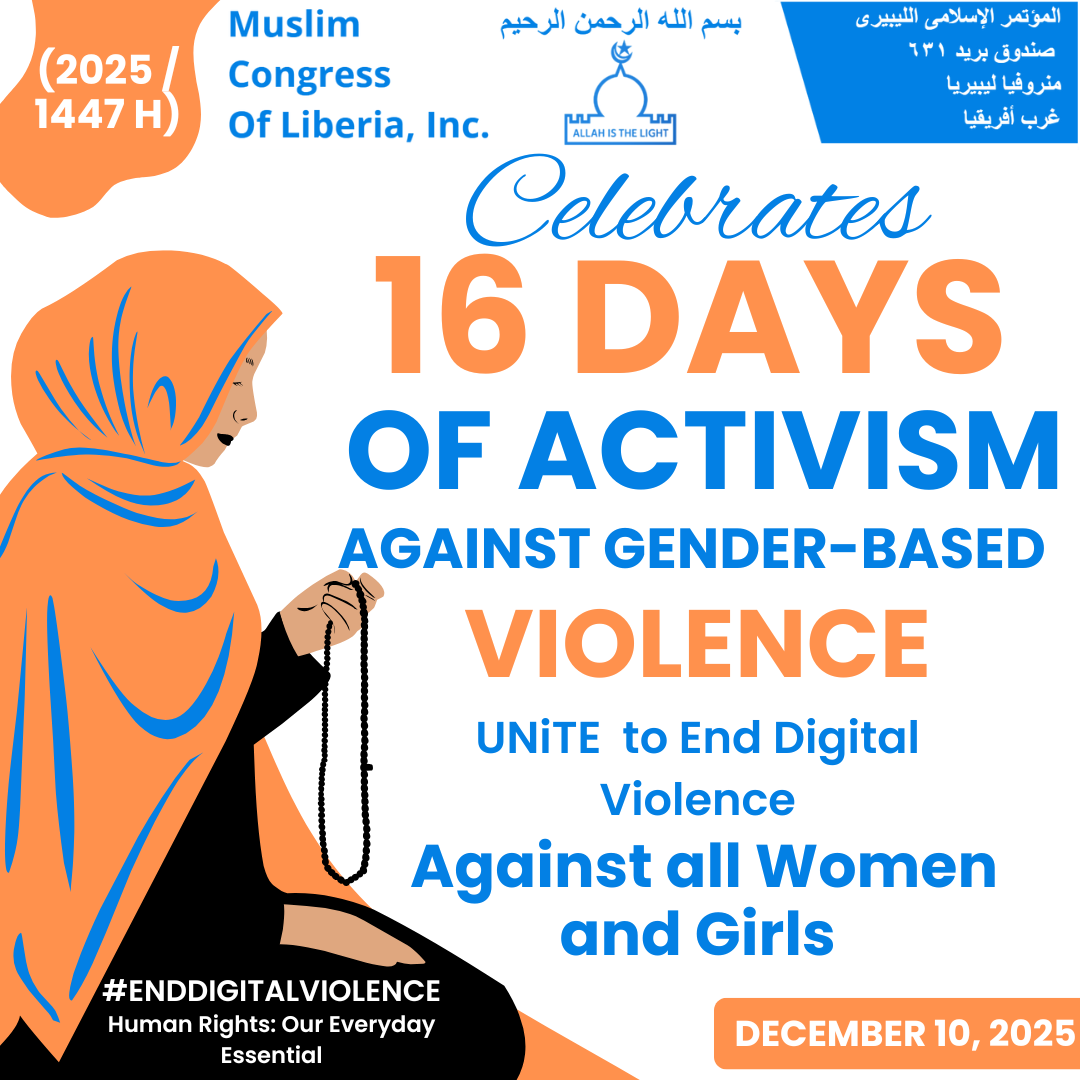
heme: Unite to End Digital Violence Against All Women and Girls in Liberia Date: 10…
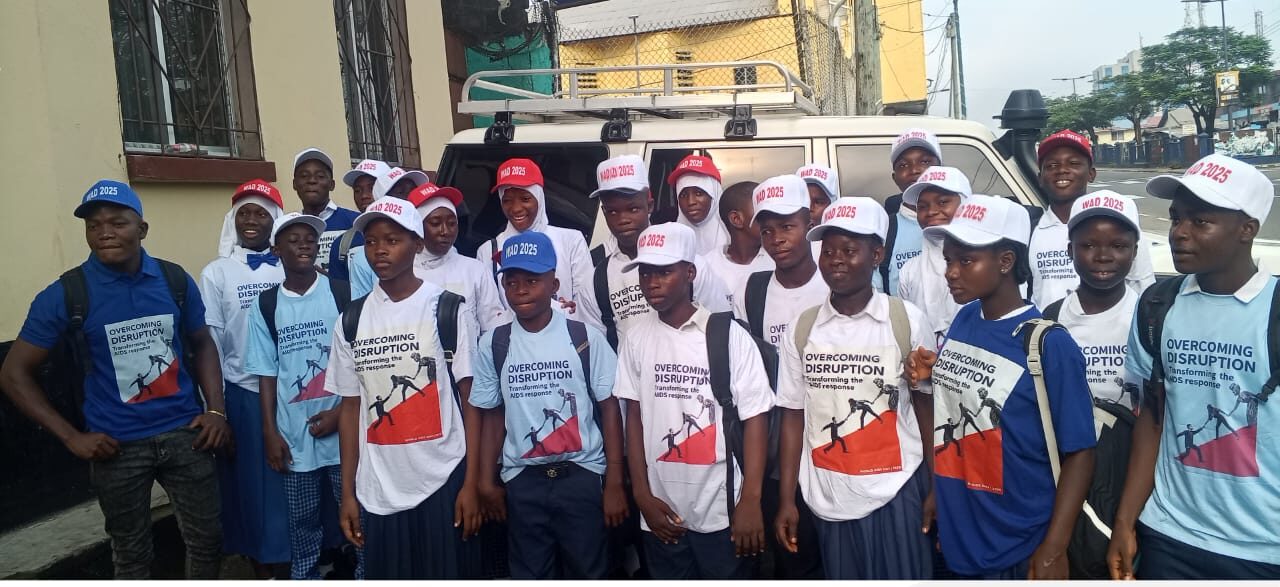
Muslim Congress High School proudly joined national stakeholders, youth groups, and health advocates in commemorating…
