Scholarship
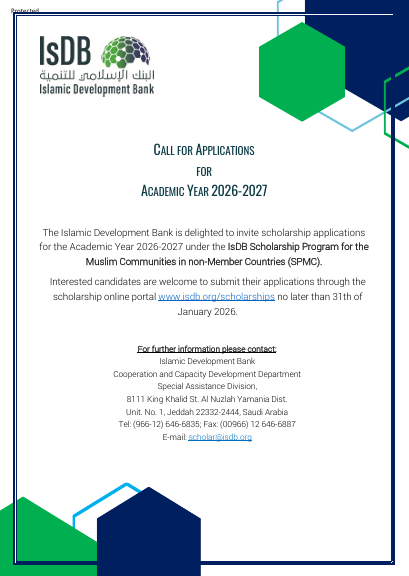
Muslim Congress High School hereby informs students, parents, and the general public that the Islamic…
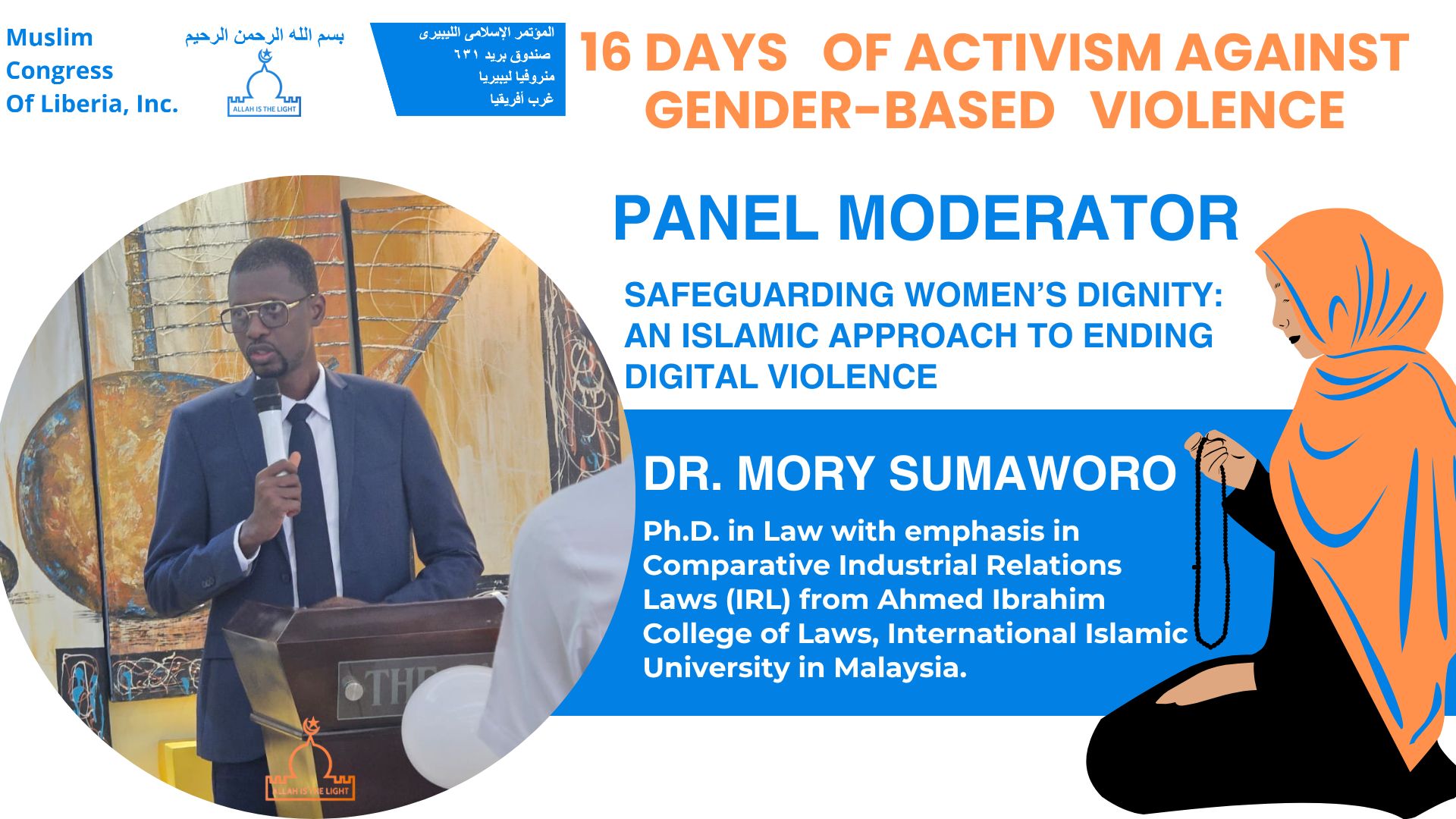
As part of the Muslim Congress of Liberia’s commemoration of the 16 Days of Activism Against Gender-Based Violence, Panel 2 focused on the theme:
“Safeguarding Women’s Dignity: An Islamic Approach to Ending Digital Violence.”
The panel was moderated by Dr. Mory Sumaworo, who delivered a compelling presentation examining digital violence through contemporary realities, legal frameworks, and Islamic ethical principles. His contribution provided both scholarly depth and practical guidance on protecting women in digital spaces.
digital violence
Dr. Sumaworo opened the session by highlighting global and regional statistics that reveal the alarming scale of technology-facilitated violence against women. Citing data from UN Women and other studies, he emphasized that millions of women worldwide experience online abuse each year, including a significant percentage in Sub-Saharan Africa. These figures underscore that digital violence is not isolated or marginal—it is a widespread and urgent issue affecting women across cultures and regions digital violence
Forms and Impact of Digital Violence
The panel discussion outlined the many forms digital violence takes, including online harassment, cyberstalking, non-consensual sharing of intimate images, digital blackmail, deepfake abuse, hate speech, doxxing, and manipulation of personal data. Dr. Sumaworo stressed that while the methods may differ, the consequences are often similar—causing deep psychological trauma, reputational damage, and restricting women’s participation in public life.
digital violence
He noted that these harms are no longer peripheral; they are now central to the lived experiences of women and girls in the digital age.
From a legal standpoint, Dr. Sumaworo explained why digital violence requires urgent legal attention. He pointed out that digital abuse is often borderless, anonymous, and permanent, making accountability more complex. He referenced Liberia’s Cybercrime Act of 2025, which criminalizes offenses such as unauthorized access, identity theft, cyberstalking, and the distribution of harmful digital content. digital violence
Comparative insights from jurisdictions such as the United States, Singapore, Malaysia, and Saudi Arabia further demonstrated that legal systems worldwide are evolving to address digital harm, though enforcement challenges remain.
A central strength of Panel 2 was its grounding in Islamic ethics. Dr. Sumaworo explained that what is now termed “digital violence” is clearly prohibited in Islam under principles such as ḍarar (harm), protection of honor (ird), and respect for privacy (sitr) digital violence
Drawing from the Qur’an and Hadith, he highlighted verses that forbid spying, backbiting, spreading scandal, and exposing private matters. These teachings, he emphasized, apply directly to modern digital behavior—such as leaking private images, sharing unverified allegations, or humiliating others online.
He reminded participants of the Prophetic teaching:
“A Muslim is one from whose tongue and hand people are safe,” noting that in today’s context, this includes digital communication and online conduct.
The panel concluded with several important messages:
Digital violence is both a legal violation and a moral transgression.
Protecting women’s dignity online is consistent with Islamic teachings and human rights principles.
Laws must be strengthened through enforcement, awareness, and community engagement.
Faith leaders, families, institutions, and individuals all have roles to play in ending digital abuse.
Panel 2 provided a powerful reminder that safeguarding women’s dignity in digital spaces requires more than technology or legislation alone. By integrating Islamic ethics, legal accountability, and social responsibility, Dr. Mory Sumaworo’s presentation offered a holistic framework for addressing digital violence in Liberia.
The discussion reaffirmed that ending digital violence against women is not only a policy obligation—but also a moral and religious duty shared by the entire community.
Muslim Congress High School hereby informs students, parents, and the general public that the Islamic…
As part of the Muslim Congress of Liberia’s commemoration of the 16 Days of Activism…
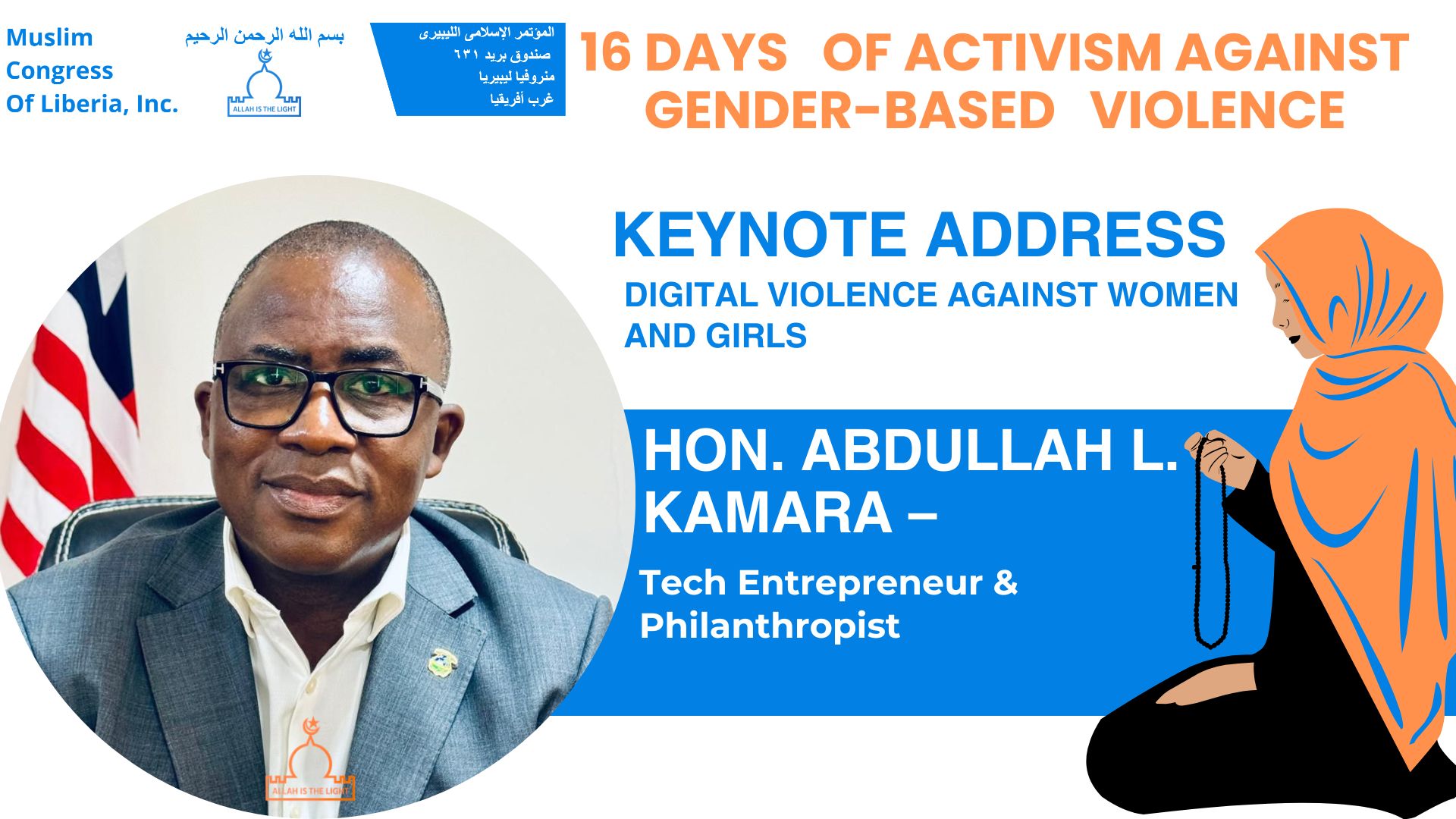
Presenter: Hon. Abdullah L. Kamara – Tech Entrepreneur, Philanthropist & Digital Literacy AdvocateEvent: Muslim Congress…
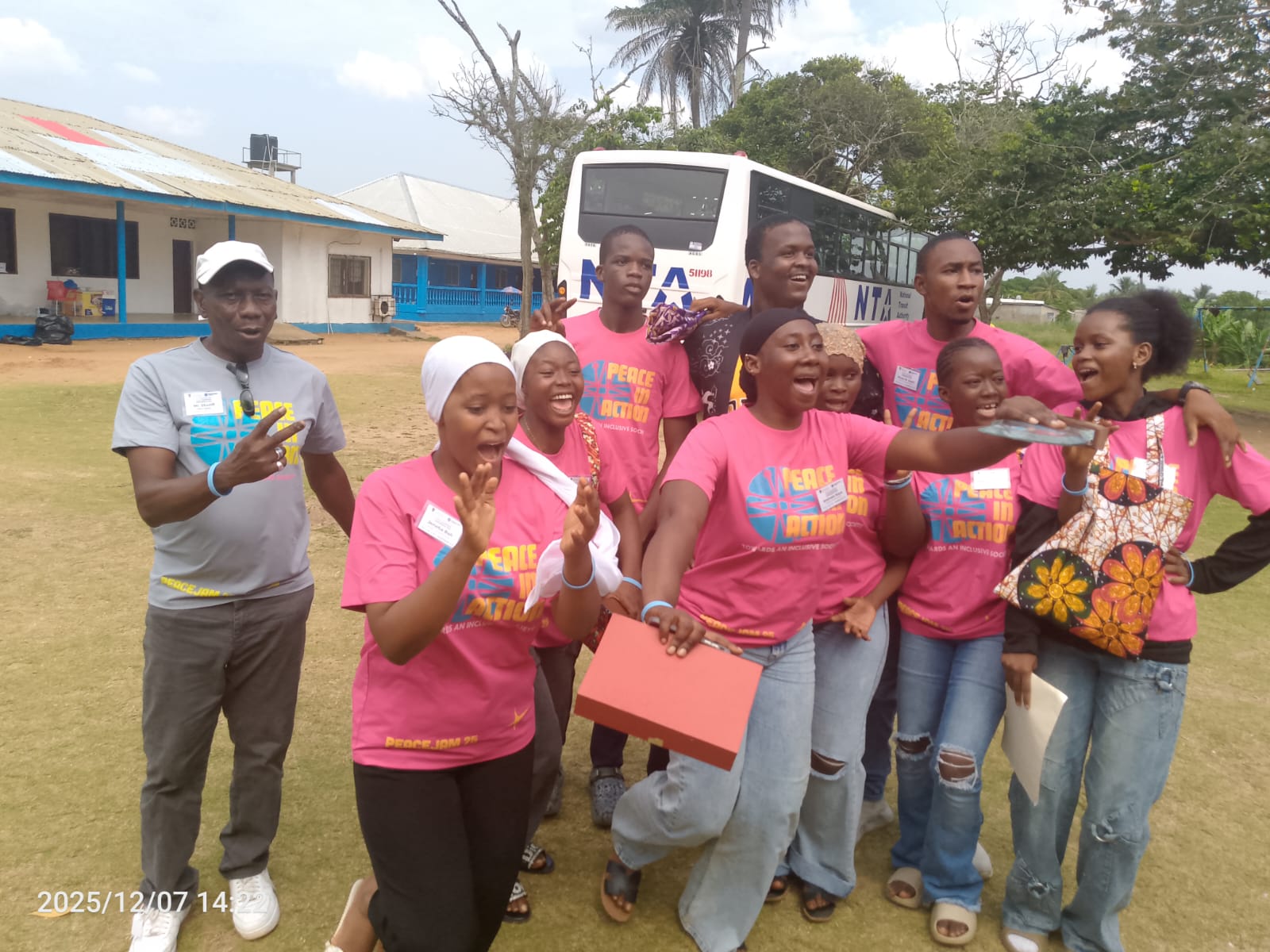
Muslim Congress High School is proud to announce that our students have been honored with…
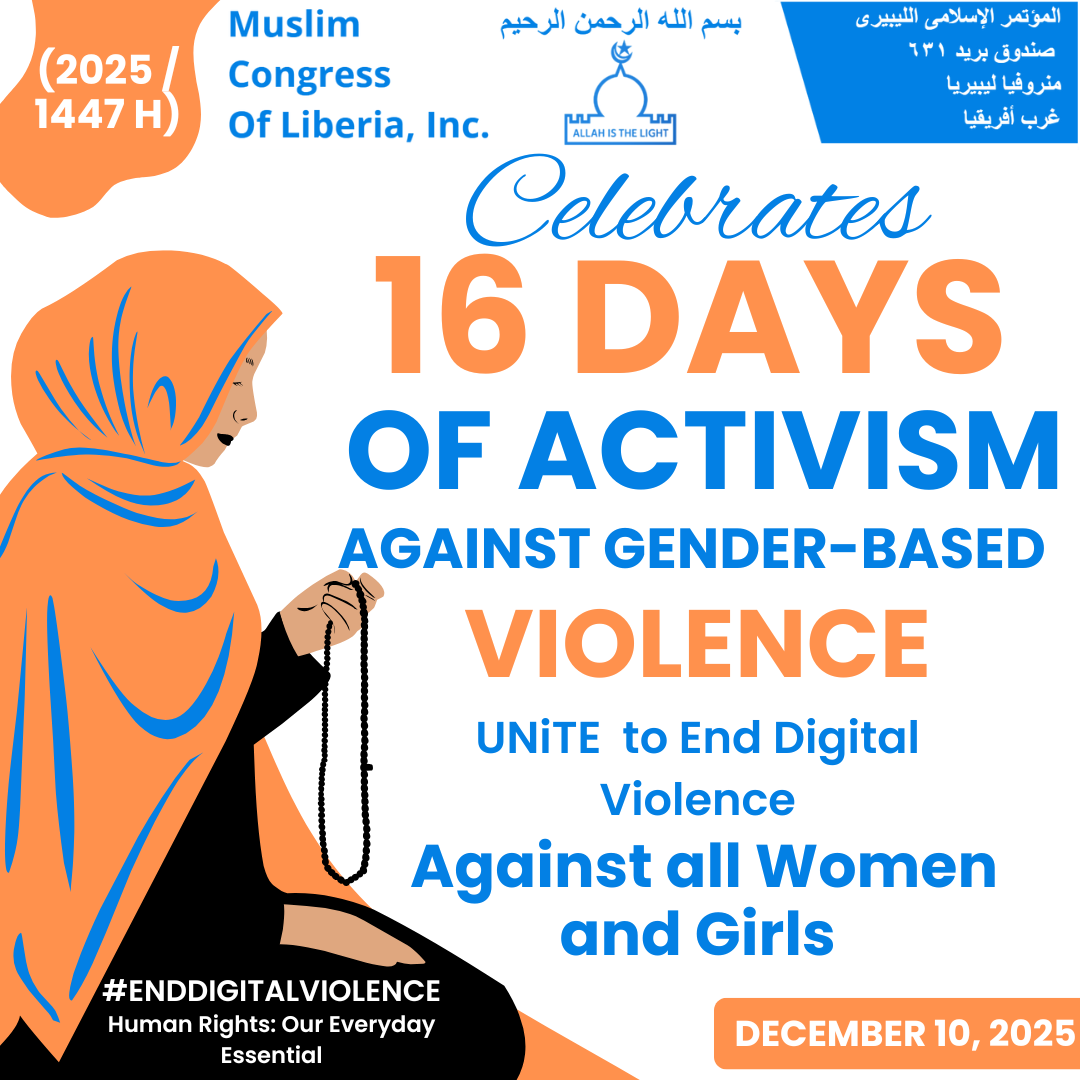
heme: Unite to End Digital Violence Against All Women and Girls in Liberia Date: 10…
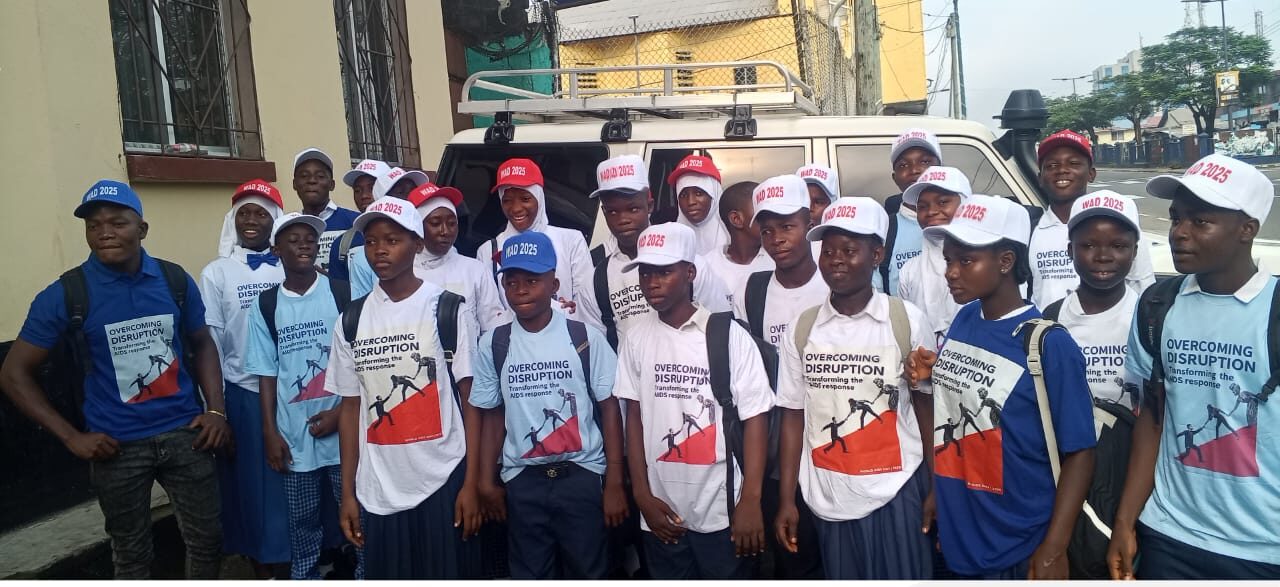
Muslim Congress High School proudly joined national stakeholders, youth groups, and health advocates in commemorating…
